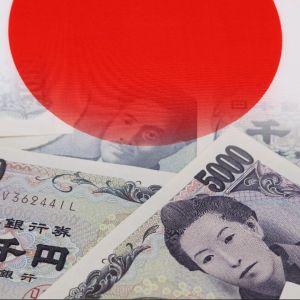
The Japanese yen is getting hammered. It has clocked six straight days of losses against the US dollar, falling to 153.48 per dollar as of December 14, 2024. This makes it the worst week for the yen in over two months and its longest losing streak since June. The market is betting hard that the Bank of Japan (BoJ) will stick to its ultra-loose monetary policy in its December 18–19 meeting, choosing stability over hiking rates. Japan’s monetary stance is becoming a gamble. Inflation is soaring past the BoJ’s target of 2%, fueled by October’s record-breaking wage increases—the highest in 32 years. But instead of a bold action to tighten policy, the BoJ seems cautious, even timid. Traders aren’t impressed. They’ve dumped the yen in favor of the stronger dollar, pushed higher by US Treasury yields and a Federal Reserve that isn’t afraid to flex its muscles. BoJ’s caution fuels yen selloff The BoJ’s hesitation is clear. Inflation is rising, wages are climbing, but rates? They’re stuck. October’s wage growth should’ve been a wake-up call: base salaries jumped at a pace unseen in decades, stoking inflationary fires. But the BoJ isn’t rushing. They’ve hinted that economic recovery is fragile, and any aggressive tightening could kill momentum. That caution has made the yen a sitting duck. Currency traders are ruthless. Bloomberg reports the yen is stuck in its worst slump since mid-year, with selling pressure mounting. The numbers are bleak. Economic growth in Japan is lukewarm too. Government stimulus and wage hikes have propped it up, but not enough to trigger bold policy shifts. Analysts expect the BoJ to hold its dovish stance, even if it means the yen continues its freefall. Market sentiment is clear: until Japan acts, the yen will remain a punching bag. August’s shock rate hike still haunts markets The last time Japan shook things up was in August. On July 31, the BoJ announced its first rate hike in 17 years, raising interest rates to 0.25%. The decision blindsided markets. Inflation had hit 3.2% in June, forcing the BoJ to break a decades-long policy of ultra-low rates. But the fallout was brutal. Within days, the Nikkei 225 crashed nearly 20%. On August 5, it recorded its worst single-day drop since Black Monday in 1987, shedding 12.4%, or over 4,400 points. The panic didn’t stay in Japan. It spread like wildfire. The S&P 500 plunged 6%, the Nasdaq lost 7.5%, and Europe’s DAX and CAC 40 tanked by 5% and 4.8%, respectively. The BoJ’s decision sent shockwaves through global markets, shaking confidence in equities and assets everywhere. Crypto wasn’t spared either. Bitcoin nosedived below $50,000, wiping out 27% of its value in just a week. Ethereum collapsed 34%. Over $600 million in leveraged crypto positions were liquidated as the panic spread. Traders who borrowed cheap yen to fund risky bets—the infamous yen carry trade—scrambled to unwind their positions, adding to the chaos. Investors realized that even Japan, the poster child of low rates, wasn’t immune to inflation’s bite. And now, with this, they’re getting a little concerned again. A weak yen makes Japanese exports cheaper, but it also makes imports painfully expensive, worsening inflation. And once it gets high enough, we’ll be heading for a repeat of August 5 for sure. A Step-By-Step System To Launching Your Web3 Career and Landing High-Paying Crypto Jobs in 90 Days.