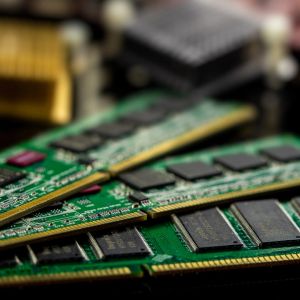
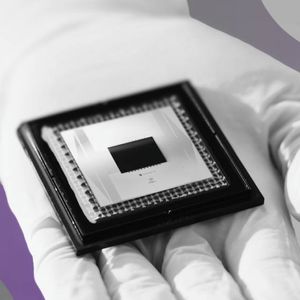
Global electronics makers are warning consumers to expect higher prices this year, flagging shortages and surging component costs tied to memory chips, with their analysts all forecasting price increases between 5% and 20%. Dell’s CFO, Jeff Clarke, said during a November earnings call that the company had never seen “costs move at the rate” they are rising now and said the impact will reach customers. AI data center expansion drains memory supply British computer maker Raspberry Pi raised prices in December and described the situation as “painful,” while Lenovo, the world’s largest PC maker, began stockpiling memory chips and other components, chief financial officer Winston Cheng said during a November appearance on Bloomberg TV. Analysts say demand for high-bandwidth memory has exploded, pushing chipmakers to focus production on advanced memory chips used in AI servers rather than lower-end parts used in consumer electronics. Samsung Electronics and SK Hynix , which control more than 70% of the global DRAM market, said orders for 2026 already exceed production capacity. Samsung increased prices for some memory chips by as much as 60% last month, with executive Kim Jae-june saying during an October earnings call that “AI-related server demand keeps growing and this demand significantly exceeds industry supply.” Consumers will have to deal with higher electronics prices as supply stays tight Analysts say consumers will shoulder the cost. Daniel at Macquarie expects electronics prices to rise 10% to 20% in 2026. CW Chung, joint head of Asia-Pacific equities research at Nomura, expects a smaller 5% increase, saying companies may try to cut costs elsewhere. Others see fewer options. Greg Roh, an analyst at Hyundai Securities, said electronics makers have little choice because cloud companies such as Amazon and Google are signing long-term deals with chipmakers to secure DRAM supply for servers, locking up memory chips before consumer brands can access them. Morgan Stanley expects large U.S. technology companies to spend $620 billion on AI infrastructure in 2026, up from $470 billion in 2025, with global spending on AI data centers and related hardware expected to hit $2.9 trillion by 2028. Peter Lee, an analyst at Citigroup , said, “AI data-centre inference demand is far greater than anticipated, depleting chip inventories for PCs and smartphones as well.” Peter said supply will remain tight until 2027, with stockpiling of chips worsening in 2026. Lu Weibing, president of Xiaomi, said in November that supply chain pressure in 2026 would be “far greater than” in 2025. Daniel at Macquarie warned that the worst case could mirror the severe supply disruptions seen during the pandemic. Samsung said in November it would add a production line at its South Korea plant. SK Hynix is building a $91 billion chipmaking cluster, announced in 2024. SK chair Chey Tae-won said in November, “We are thinking hard about how to address all demand.” An industry executive in Seoul said building a new plant takes two to three years. Until then, Peter said companies will “either raise product prices or sacrifice margins” as memory chips remain scarce. Sign up to Bybit and start trading with $30,050 in welcome gifts