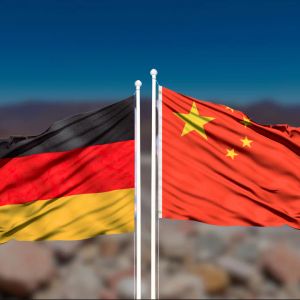
Germany is watching its export flow to China shrink fast, and the mood in Berlin is turning sharp. For years, the two economies moved like a synced machine. Germany built the tools, China bought the tools, and the world kept spinning. Now China builds its own machines, sells them everywhere, and Germany is stuck with falling sales and rising pressure. The country’s exports to China have dropped by a quarter since 2019, while imports from China keep jumping, pushing the trade deficit toward €88 billion this year. Businesses see the hit. Politicians see the hit. No one is acting calm. The break in this long partnership is real. German Chancellor Friedrich Merz said Berlin would shield steelmakers from Chinese rivals. He also backed a tighter ban on Chinese parts in mobile-data networks and supported “buy-European” rules in state contracts. His new National Security Council met in November and talked about the risks tied to China’s control of key minerals. A German official allegedly said the group is now working on diversification tools. Companies that once treated China as their main customer now treat it like a problem they cannot ignore. Germany shifts trade stance Business groups say China is using low production costs, a weak yuan, and heavy subsidies to push past German firms in sectors Germany used to lead. That jump showed up even harder this year because President Trump built a strong tariff wall, and cheap Chinese goods bounced off the U.S. border and landed in Europe. Chemicals, car parts, and other goods hit the continent at scale. German leaders who once mocked tariffs now use them. President Emmanuel Macron said “Germany is moving and becoming aware of the imbalances that also affect it,” adding that China is “hitting the heart of the European industrial and innovation model.” This shift started years ago. In 2019, the Federation of German Industries dropped its soft stance and labeled China a “systemic competitor.” The VDMA machinery group said China was practicing unfair trade and demanded antidumping steps. “We are free-traders, but unfair trade policies cannot be tolerated any more,” said Oliver Richtberg, the group’s foreign-trade chief. The German government is preparing a new economic-security plan that will address economic and tech risks tied to China, according to an official. Foreign Minister Johann Wadephul, during his first trip to China, said European companies needed better access to the Chinese market and its resources. Germany faces industrial pressure China’s rise as a producer of investment goods is brutal for Germany. Between 2019 and 2024, China pushed ahead of Germany in power-generation equipment and machinery. Germany’s lead in chemicals and road vehicles is razor thin. This year, Germany imported more capital goods from China than it exported to China. Manual gearbox imports from China almost tripled in the second quarter of 2025. German carmakers saw their market share in China drop from half to a third in two years. The damage is wide. Manufacturing output is down 14% from its 2017 peak. Industry has cut almost 5% of its jobs since 2019. Auto companies cut about 13% of positions. Herrenknecht, a tunnel-boring machine maker, said it faces “growing competitive pressure.” Spokeswoman Anja Heckendorf said the company is looking toward India and more complex projects and wants antidumping probes and a “Europe First” push. Pressure is also intense in the chemical belt around Leipzig. Chinese producers expanded their share of the polyamide 6 market from 5% to 20% within a year. Vedran Kujundzic of DOMO Chemicals said Chinese players offer prices about 20% lower. Christof Günther, who runs a major chemical park in Leuna, said companies “can’t earn money” and cut jobs to survive. Dow Chemical will close two plants and cut more than 500 jobs. BASF and others cut thousands of roles across Germany while expanding in China. Leuna is also seeing new bets. Finnish group UPM is putting €1.3 billion into a biorefinery. Harald Dialer said the products cost more than fossil-based chemicals but serve high-end uses. Nearby, Stefan Scherer of AMG Lithium is building a refinery that could supply a quarter of Europe’s lithium needs, but German buyers fear higher prices. Dirk Schumacher of KfW said Germany must decide what it will still source from China and where it needs barriers to protect vital sectors. Noah Barkin, an analyst at Rhodium, said Europe wants Chinese investment only if it brings know-how and jobs. He warned that Germany could slip back into what he called its “Shanghai syndrome” if Berlin feels it needs protection from an unpredictable Trump. Lawmaker Norbert Röttgen said Germany must cut its dependence on China but admitted U.S. moves will shape how far Berlin can go. Want your project in front of crypto’s top minds? Feature it in our next industry report, where data meets impact.