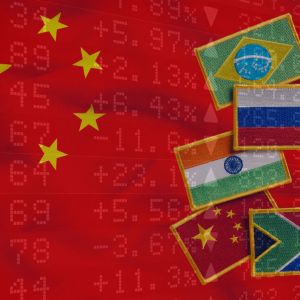
China just dropped a $1 trillion bombshell on the global economy. That’s the size of its trade surplus last year, a jaw-dropping number that has everyone from Washington to Jakarta clutching their spreadsheets. The country exported $3.58 trillion worth of goods and services, while imports barely scraped $2.59 trillion. Not even post-war U.S. or export-obsessed Japan pulled off something like this. Here’s the thing: while Chinese goods are flooding the world, the country’s domestic economy is in rough shape. A housing market meltdown, job losses, and wiped-out savings have left its middle class too scared to spend. Yet, exports are booming. Factories are cranking out everything from cars to solar panels like there’s no tomorrow, and Beijing is grinning through the chaos. Export floodgates open while imports slow December alone saw a $104.8 billion surplus, driven partly by goods rushed to the U.S. before President-elect Donald Trump starts playing tariff hardball. The General Administration of Customs confirmed these numbers, revealing a manufacturing dominance that hasn’t been seen since post-World War II America. Manufactured goods now make up 10% of China’s economy, outpacing even America’s peak reliance on manufacturing surpluses during World War I. And this isn’t just widgets and gadgets. China is exporting high-value products, including cars, electronics, and even jetliners, challenging giants like Boeing and Airbus. The country’s “Made in China 2025” policy, backed by a $300 billion war chest, has fueled this transition. China dethroned Japan last year to become the world’s largest car exporter. South Korea, Germany, and Mexico are also in the rearview mirror. Even in solar panels, Chinese factories now produce nearly every panel sold globally. But this aggressive growth isn’t without its casualties. Overproduction is tanking prices, leaving many Chinese companies buried in debt and staring down potential defaults. While exports surge, imports are crawling. Beijing has pushed a self-reliance agenda for decades, squeezing foreign competitors out of its domestic markets. Global backlash grows against China’s trade practices China’s trade partners aren’t thrilled about these numbers. From industrial giants like the U.S. and the European Union to middle-income countries like Brazil and Indonesia, governments are slapping tariffs on Chinese goods to protect their industries. The U.S. raised duties on Chinese cars last year, and Europe followed suit. Even developing countries that once saw China as an ally in growth are drawing the line. Brazil, Turkey, and India, all on the edge of industrialization, are fighting to keep their factories running against the onslaught of cheap Chinese goods. Middle-income countries fear losing their foothold in global manufacturing. Chinese products, often cheaper and faster to produce, are outpacing local industries, triggering widespread job losses. The Biden administration, picking up where Trump left off, has accused Beijing of using its state-owned banks to pump billions into overcapacity. Lending to Chinese industries jumped from $83 billion in 2019 to $670 billion by 2023. Critics argue that these subsidies distort global markets, giving Chinese companies an unfair edge. BRICS alliance expands, pushing de-dollarization agenda While China flexes its trade muscles, the BRICS alliance is still quietly reshaping the global financial order. Russian Presidential aide Yury Ushakov confirmed that 23 countries have submitted applications for BRICS membership. The list includes a mix of emerging economies and developing nations like Venezuela, Morocco, Pakistan, and Sri Lanka. These countries see BRICS as a lifeline, offering alternatives to the U.S. dollar for cross-border trade. BRICS is selling an agenda that’s hard to ignore: de-dollarization. By promoting the use of local currencies in trade settlements, the bloc is chipping away at the dollar’s dominance. For member countries, this is about survival. Strengthening local currencies could stabilize forex markets and boost GDPs in economies struggling under dollar dependency. China’s role in BRICS expansion is unmistakable. With its trade surplus funding massive infrastructure projects across Asia, Africa, and Latin America, Beijing has made itself the bloc’s de facto leader. And it’s not just about money. China’s influence extends to policy-making, pushing the bloc to adopt a more unified stance against Western trade practices. From Zero to Web3 Pro: Your 90-Day Career Launch Plan