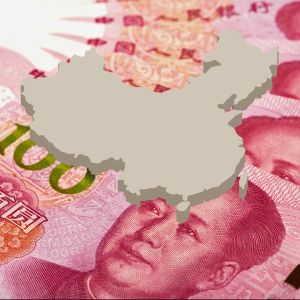
According to a report from the Political Bureau of the CPC Central Committee meeting held on December 9, China plans to change its monetary policies to improve economic growth and boost domestic consumption. The meeting was held after the Chinese National Bureau of Statistics released the inflation report, which indicated a slowdown in economic growth in the country. In the meeting, the Beijing administration promised to loosen monetary policies while being more proactive in its fiscal stimulus measures. The Politburo, a body led by Chinese President Xi Jinping, also revealed other top priorities for the government in the coming year to improve the economy. The meeting, presided by Xi Jinping, first aimed to analyze the current economic performance. The report added that the performance review would pave the way for policy implementation for 2025. The Beijing administration also discussed the economic growth target for 2025 during the meeting while also planning the country’s budget. The body’s policy changes will further aid its advisory decisions with other sectors, including the parliament, of their future decisions. The Politburo decision to initiate fiscal policy changes is the first since 2010, marking over 14 years since the last policy changes in the country. In late 2010, the body initiated policy changes after another change after the 2008 global financial crisis. Despite the Beijing administration not initiating changes frequently, China remains the second-largest economy globally. China deals with growing economic risks The Politburo confirmed that decreasing inflation has negatively affected the economy’s growth. The rates in November showed that the country’s inflation hit a 5-month low, with China’s consumer price index rising by only 0.2% year-on-year. The consumer price index also dropped by 0.6% month-on-month, compared to October’s 0.3% drop. Many analysts outlined the possibility of U.S. President-elect Donald Trump triggering trade wars. Trump has vocalized his tariff plans, which would hit China, Mexico, and Canada the most. The risk of economic instability caused by Trump’s tariffs has been one of the greatest contributors to the country’s slow economic growth. The risks have further created instability in some of the country’s sectors, especially the housing sector, which faces high housing taxes and mortgages. According to Stansberry analyst Brian Tycangco, China expects the current policy shifts to create more stability in stocks and housing. The analyst also outlined the possibility of an increase in RRR cuts, a reduction in personal tax cuts, and a better focus on direct fiscal stimulus. Tycangco added that the policies would further try to maintain growth in all departments in the country, increasing all-rounded domestic demand. Analysts bank on a 5% economic growth target A Reuters report outlined that Beijing administration advisers are encouraging the government to adopt 5% as the economic growth target for 2025. The report also highlighted that the advisors believe focusing on fiscal stimulus will help the country better manage the effects of Trump’s tariffs. Goldman Sachs has suggested that implementing a 20% tariff on Chinese imports would weigh the country’s GDP by 7%. The report also pointed out a Reuters poll, which revealed that many analysts project that the Beijing administration will stick to a 5% economic growth target for 2025. Another poll suggested that China would get about 4.5% in economic growth in the coming year. The report insisted that the projected range by most analysts was between 4% and 5%. From Zero to Web3 Pro: Your 90-Day Career Launch Plan