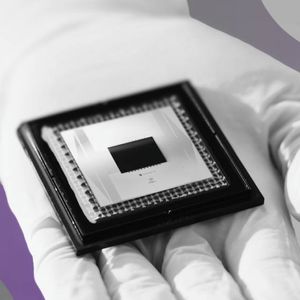
A Chinese-controlled company can’t keep the American semiconductor technology it bought, according to a White House decision released Friday. Officials say the deal threatens national security. The government is forcing HieFo Corp., a Delaware-based business, to give back chip assets it purchased from Emcore. A Chinese citizen set up HieFo and controls it, which officials say creates security problems. The companies said they wrapped up most of the deal in 2024. It was worth nearly $3 million. Semiconductor experts say Emcore’s technology has potential military uses. It could also improve AI computer systems, which worries the Trump administration. HieFo and Emcore haven’t commented on the decision. Cfius orders complete reversal of transaction The Committee on Foreign Investment in the U.S. reviewed the purchase. The committee, called Cfius, examines foreign investments for security risks. Now HieFo has to sell everything it got from Emcore and undo the whole transaction. Trump’s China policy on technology has mixed signals. He’s relaxed some trade restrictions during negotiations with Chinese leaders. He’s also allowed China to buy certain AI chips from Nvidia and other US companies. But the administration still blocks some exports and investments for security reasons. Trump let Nvidia sell its advanced H200 AI chips to “approved customers” in China, but with a catch. Nvidia has to pay the government 15% of what it earns from those sales. Senator Elizabeth Warren and other Democrats called this dangerous for national security. As reported by Cryptopolitan previously, China ended up rejecting the H200 chips anyway. Instead, China chose semiconductors made at home. Beijing mandates domestic equipment for chip production China is pushing hard to build its own chip industry. Three people with knowledge of the policy told Reuters that China now requires chipmakers to source at least 50% of their equipment domestically when adding new production capacity. The rule isn’t published anywhere, but government officials have been informing companies about it in recent months when they apply to build or expand factories. Companies must prove through their purchasing bids that Chinese-made equipment will account for half or more of their orders. This marks one of Beijing’s strongest moves yet to cut dependence on foreign technology. The push accelerated after the US tightened export controls in 2023, banning sales of advanced AI chips and semiconductor equipment to China. Those American restrictions only stopped the most sophisticated tools from being sold. But China’s 50% requirement means manufacturers pick Chinese suppliers even when they can still legally buy equipment from the US, Japan, South Korea, and Europe. The US Trade Representative’s office released findings last month from a nearly year-long investigation into China’s semiconductor sector. Biden launched the inquiry in his final weeks as president, leaving Trump to decide what to do. Trump has since made a trade deal with Chinese President Xi Jinping that calmed global markets. The government isn’t imposing new tariffs on chip imports right away. The tariff rate stays at zero for 18 months. On June 23, 2027, it will increase to a rate the government will announce at least 30 days beforehand. A Federal Register notice said China’s effort to dominate semiconductors “is unreasonable and burdens or restricts U.S. commerce and thus is actionable.” Get seen where it counts. Advertise in Cryptopolitan Research and reach crypto’s sharpest investors and builders.