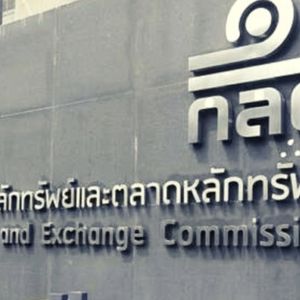
Thailand has followed in Singapore’s footsteps by banning crypto exchanges from offering lending and staking services to retail investors. Thailand becomes the second Southeast Asian nation to ban crypto staking activities for retail investors. Thailand Bans Lending and Staking Services The Thai SEC announced it is banning crypto exchanges from offering lending and staking services. On Monday, the securities agency issued new rules for digital asset service providers aiming to improve investor protection. According to the Thai SEC: It is forbidden to advertise or persuade the general public or do any other act in the manner of supporting the deposit staking & lending service. The regulator explained the ban applies to “depository services that offer returns to depositors and lenders,” meaning exchanges are outright banned from offering such services. The SEC’s new rules will take effect on July 31, 2023. Under the new rules, the SEC also introduced a mandatory trading risk disclaimer which exchanges must make clearly visible to customers. The risk disclaimer reads: Cryptocurrencies are high risk. Please study and understand the risks of cryptocurrencies thoroughly, because you may lose your entire investment. Further, the Thai SEC requires exchange operators to ensure users acknowledge trading risks before consenting to use such services. Finally, the SEC introduced investor suitability assessments to determine how much users may invest in crypto. Singapore Bans Lending and Staking for Retail Investors The Thai SEC’s ban follows an announcement from Singapore’s Monetary Authority (MAS) which also seeks to ban such services for retail investors. The regulator said in a statement on Monday that it determined staking activities are unsuitable for the retail public given the “extremely high risk and speculative nature” of those activities. The MAS said: Regulations alone cannot protect consumers from all losses, given the extremely high risk and speculative nature of digital payment token trading. In addition to the ban, the MAS will require crypto exchanges to safeguard customer assets in a trust before the end of the year. The Monetary Authority of Singapore (MAS) today announced new requirements for Digital Payment Token (DPT) service providers to safekeep customer assets under a statutory trust before the end of the year. This will mitigate the risk of loss or misuse of customers’ assets, and facilitate the recovery of customers’ assets in the event of a DPT service provider’s insolvency. Thailand and Singapore’s new investor protection rules come after the 2022 crypto lending crisis caused several firms to go bankrupt, costing investors billions of dollars. Disclaimer: This article is provided for informational purposes only. It is not offered or intended to be used as legal, tax, investment, financial, or other advice.